
Marine
Lake Norman's Winter Drawdown: What It Means for Your Dock, Lift, and Boat
Alec Lister7 min read
Every winter Lake Norman sits a few feet lower. Here is why, how far it usually drops, and what to check on the dock, the lift, and the boat while it is down.
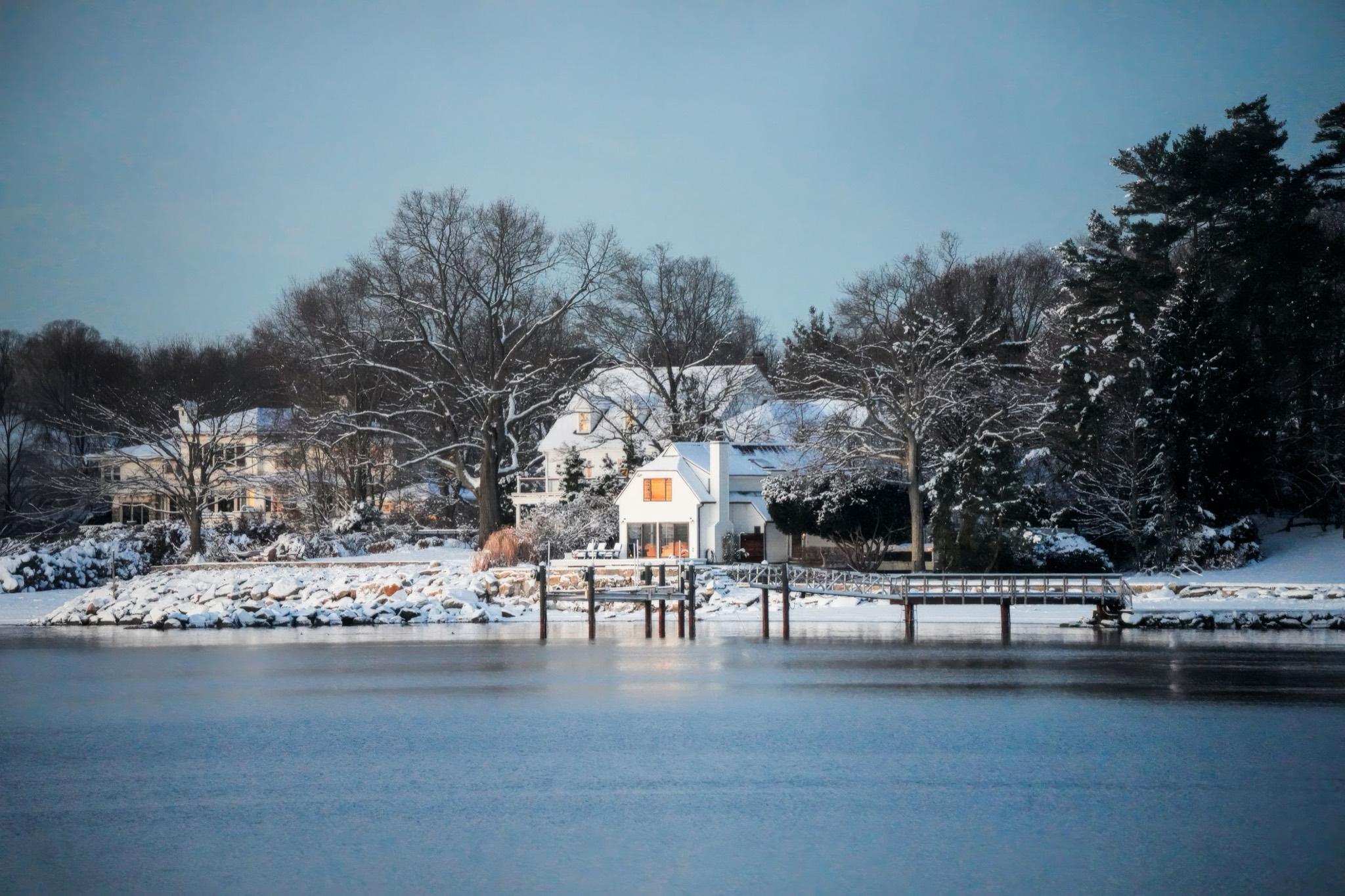
If you own on Lake Norman, you have seen it. Sometime in late fall the water pulls back from the seawall, the swim ladder stops reaching the lake, and a sandbar you never knew about appears off the point. That is Lake Norman's normal winter drawdown, and the level comes back up in spring.
Duke Energy manages Lake Norman on a seasonal target, lower in the cooler months and higher in summer, usually a few feet below full pond. For a waterfront owner, the lower water changes how the boat sits on its lift, how a floating dock and its ramp behave, and what is showing along the shoreline. It is also the best time of year to look at the parts of the dock that spend the summer underwater.
In Summary: Lake Norman is managed below full pond on a seasonal target that runs lower in winter, typically a few feet below the summer level. While it is down, check the boat's position on the lift, the lift cables, the angle and hardware of any floating dock ramp, shore power cords, and anything newly exposed along the shoreline. If you use the boat in winter, watch the depth at your slip and in shallow coves. Duke's lake levels page shows the full, target, and actual level at any time.
How the Lake Norman Drawdown Works
Duke Energy reports the lake against a gauge where 100.0 feet means full pond, which is about 760 feet above sea level. The lake almost never sits at 100. Instead it follows a seasonal target set under the Catawba-Wateree hydro license, which balances drinking water supply, power generation, fish habitat, and recreation across the whole chain of lakes.
For Lake Norman, Lake Norman Publications reports that the normal target ranges from about 94 to 98 feet on that gauge, depending on the season. The low end comes in the cooler months. In a dry year the level can sit lower for longer, since the basin runs under a drought protocol that trims releases and withdrawals across all the lakes. Duke Energy's lake levels page shows the current full, target, and actual level, and it is worth bookmarking.
A few feet does not sound like much. On a gently sloped cove, it can move the waterline several yards, and that is where the practical changes come from.
What to Check on the Dock and Lift
The lift comes first. A boat left on a raised lift for the winter sits higher above the water than it did in August, which is fine, but it is a good moment to look closely at the cables where they wrap the drum and pass over the sheaves, since that is where wear shows first. With the lift raised and the lake down, the cables are easier to see than at any other time of year. Check that the cradle is level and the bunks are sitting evenly under the hull. If you plan to lower the boat at any point in winter, confirm the lift can go low enough to float it at the current level.
Floating docks and their ramps change shape as the water drops. The ramp from the shore to the dock gets steeper, which puts more load on its hinge and the rollers at the dock end. Look for hinge pins working loose, rollers that have stopped rolling, and any spot where a float is starting to rest on the bottom. Fixed docks are simpler, but low water exposes the pilings and cross bracing, which makes winter a good time to look them over.
Shore power deserves a look too. As the boat sits higher, cords can end up stretched or hanging in a way they were not in summer. Make sure nothing is under strain, the connections are dry and covered, and the GFCI protection on the dock trips and resets when tested.
Finally, walk the shoreline itself. Riprap, the foot of the seawall, and any drainage outlets are all easier to see with the water down. Anything that needs repair below the full pond line falls under Duke Energy's shoreline management rules, so it is worth a call to Duke before hiring anyone. The boat and dock guide covers the rest of the year's marine upkeep.
If You Use the Boat in Winter
Plenty of owners keep a boat in the water or on a lift they use through the winter. It is some of the calmest boating the lake offers. The lower level just asks for a little more attention.
Check the depth at your own slip first, since the water under the stern is what changes most. Shallow coves, the inside of points, and old channel edges can hide sandbars and stumps that are well below the hull in summer. Go slowly in unfamiliar water, trim up in the shallows, and keep an eye on the depth finder. Swim ladders and dock steps may no longer reach the water, so plan how people will get on and off.
A winter boat still needs the basics: the batteries on a tender, the bilge checked, and the engine run now and then. If it will sit for most of the season, full winterization is the better choice.
A Winter Visit, Start to Finish
Here is what that looks like in practice. On a December visit to a waterfront home at The Peninsula, the house gets its usual walkthrough, then the dock. The lake is down about three feet from summer. The ramp to the floating dock is noticeably steeper, and one hinge pin has started to back out. It gets tapped home and secured with a new cotter pin on the spot. The lift cables look good, the boat is sitting level, and the shore power cord gets a new strap so it no longer hangs in a loop. All of it is logged in Nines with photos.
That is the quiet value of a winter dock check. Nothing is wrong, and nothing becomes wrong. When the lake comes back up in spring, the dock, lift, and boat are ready for the first warm Saturday.
If you would like someone keeping an eye on the waterline through the winter, that is part of boat, dock, and lift care, and part of every winter visit I make to a lake home. Tell me about your dock.
A Few Questions People Ask
Why is Lake Norman lower in winter? Duke Energy manages the lake on a seasonal target set under its federal hydro license, which runs lower in the cooler months and higher in summer. The targets balance water supply, power generation, habitat, and recreation across the Catawba-Wateree chain of lakes.
How far does Lake Norman drop in winter? Usually a few feet. The normal target runs from about 94 to 98 feet on Duke's gauge, where 100 is full pond. Dry years can take it lower, and Duke's lake levels page shows the current reading.
Should I leave my boat on the lift over the winter? Many Lake Norman owners do, and it works well. Winterize it fully unless you plan to use it, raise the lift so the hull is clear of the water, cover the boat, and turn the lift motor off at the breaker. Check the cables and the boat's position a few times over the winter.
Is a winter dock check part of home watch? It should be, on any waterfront home. When I look after a lake house, the dock, lift, and boat are on every visit's checklist. If you are comparing providers, ask them about the drawdown and listen for a specific answer.